The Constitution Amendment Act No. 13 of 2025 has introduced a proportional representation (PR) system to Zambia’s National Assembly. If you are wondering how this change will affect the composition of Parliament after the August 2026 general elections, here is a clear breakdown.
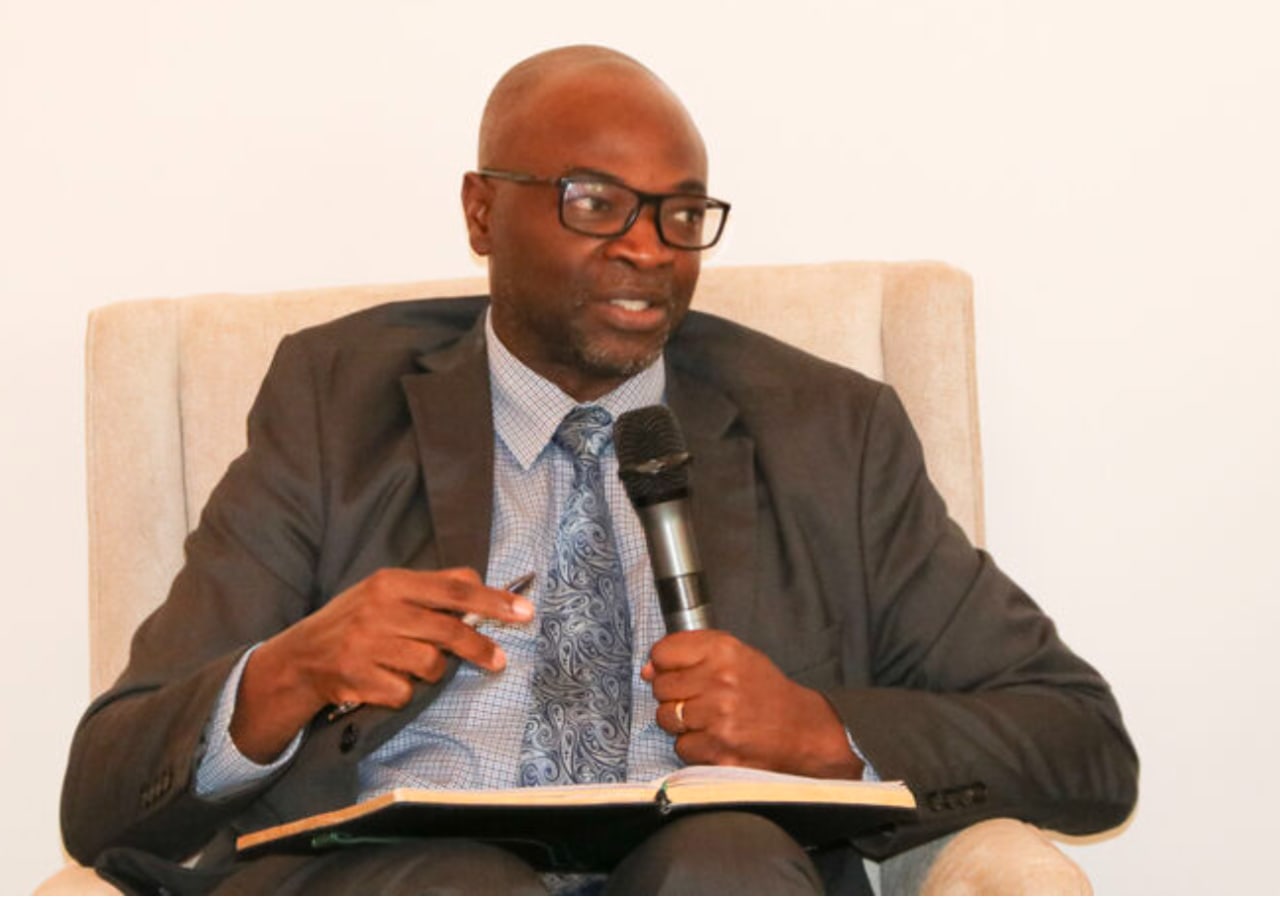
On the latest episode of the SAIPAR Podcast, Associate Director for Politics and Social Change, O’Brien Kaaba, explained that 40 Members of Parliament will now be elected through a proportional representation system. Under this system, these 40 Members of Parliament will not represent specific geographical constituencies. Instead, their allocation will be based on a political party’s performance in the presidential election. In other words, seats will be distributed proportionally according to the share of votes received by each party’s presidential candidate.
Of the 40 proportional representation seats:
• 20 are reserved for women,
• 15 for youth, and
• 5 for persons with disabilities.
For example, if a party’s presidential candidate receives 50% of the total valid votes cast, that party would, in principle, be entitled to 50% of the reserved seats in each category. In the case of women’s seats, this would translate to 10 out of the 20 available seats.
However, as Kaaba noted, practical implementation is likely to involve fractional outcomes. This means a detailed formula will be required to determine how seats are allocated where vote percentages do not translate neatly into whole numbers. Consequently, subordinate legislation will be necessary to provide clarity on the precise method of distribution. The amendment also significantly increases the size of the National Assembly. Previously, Zambia had 156 geographical constituencies. That number has now been increased to 226. In addition to these constituency-based seats, the new proportional representation system will add 40 more Members of Parliament.
This expansion of Parliament has financial implications. With more Members of Parliament, the operational budget of the legislature is expected to increase to accommodate salaries, administrative costs, and related parliamentary functions.
As Zambia approaches the 2026 elections, the introduction of proportional representation represents a substantial shift in how representation in the National Assembly is structured. The practical impact of this reform will ultimately depend on how the implementing legislation addresses the technical aspects of seat allocation.
Catch the full interview here: https://www.youtube.com/watch?v=zFGEyArdTXk