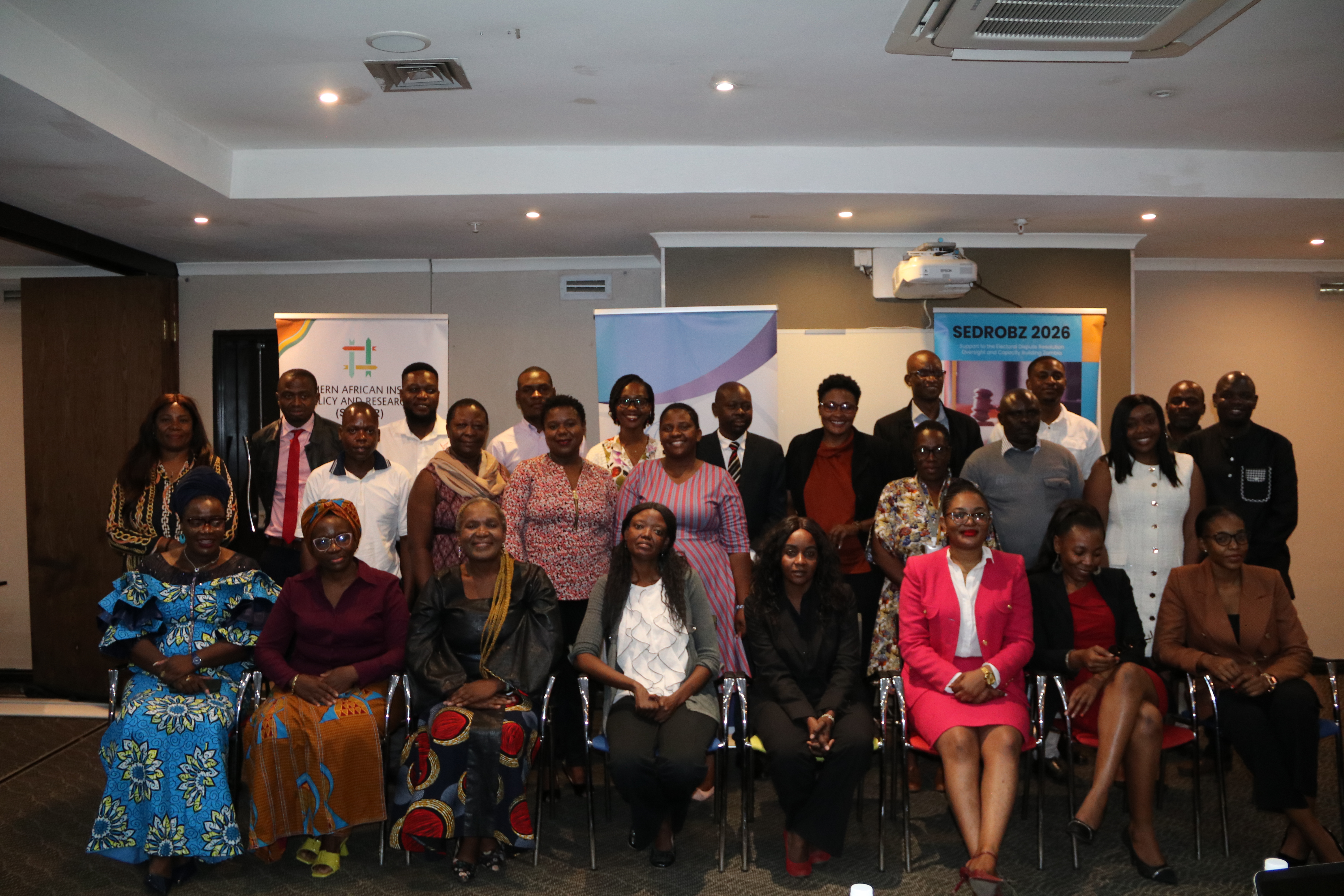
LUSAKA: Civil society organizations (CSOs) and aspiring female candidates in Zambia have strengthened their capacity to handle electoral disputes lawfully and effectively following a one-day Electoral Dispute Resolution (EDR) training convened by SEDROBZ in Lusaka on 12 May 2026. The workshop positioned CSOs as frontline actors in preventing, documenting and escalating electoral disputes ahead of the 2026 General Elections, rather than remaining passive observers.
The programme combined high-level content with practical, CSO-focused tools and exercises. An opening session on "Why EDR Matters and Where CSOs Fit" highlighted the importance of effective dispute resolution in protecting electoral rights and identified CSOs' roles in community awareness, early complaint support and monitoring remedies. Participants also mapped Zambia's EDR architecture, identifying CSO entry points within the Electoral Commission of Zambia (ECZ), Conflict Management Committees (CMCs), the Local Government Election Tribunal (LGET), the High Court and the Constitutional Court.
Subsequent sessions examined Zambia's administrative and adjudicative EDR channels. Participants practiced receiving and documenting community complaints, drafting complaints for ECZ and CMCs, maintaining evidence logs, and understanding referral processes to tribunals and courts. The training also emphasized legal timelines, witness preparation and the importance of timely, well-documented evidence to support electoral petitions.
Evidence management remained a central focus throughout the workshop. Participants explored standards of proof, common evidentiary challenges, and practical approaches to collecting, securing and preserving both digital and physical evidence while protecting vulnerable witnesses, particularly women and youth. A practical evidence clinic enabled participants to assess a mock case file and identify improvements needed within their organizations.
Gender inclusion featured prominently, with discussions on barriers limiting women's participation as candidates, elected leaders and users of EDR mechanisms. Participants also examined opportunities and potential disputes arising from Zambia's Mixed Member Proportional Representation (MMPR) system and developed interventions including hotlines, legal aid support, safe spaces, and gender-sensitive monitoring indicators to improve women's access to electoral justice.
The training concluded with a session on developing CSO EDR strategies across the entire electoral cycle—from pre-election to post-results. Each organization produced a one-page action plan outlining key activities, responsibilities, indicators and gender inclusion measures. Participants reported improved knowledge of dispute identification, complaint procedures, petition processes and peaceful dispute resolution, while recognizing the need to strengthen internal coordination.
Feedback was overwhelmingly positive, with participants praising the relevance, facilitation and practical nature of the training. They committed to sharing EDR knowledge within their organizations and communities, strengthening internal dispute monitoring systems, and integrating EDR into civic education and advocacy. They also recommended regular refresher trainings, expanded outreach to CSOs, political parties and communities, more simulation exercises, and improved access to reference materials.
SEDROBZ noted that the workshop has strengthened CSO capacity to engage electoral processes through lawful and peaceful dispute resolution mechanisms ahead of the 2026 General Elections. The organization intends to build on participant feedback through longer, more practical training programmes, including simulations and expanded support to regional and community-based CSOs.